

Beyond Planting Trees: How Youth Climate Action Drives Real Change
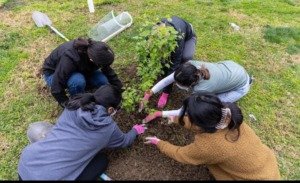
Climate change is often associated with planting trees. While trees improve air quality and reduce heat, planting them alone cannot solve complex environmental issues like air pollution or urban flooding.
Today, youth climate action gives young advocates powerful tools through technology and policy to tackle local challenges. This blog explores simple ways students and young professionals can drive lasting environmental impact in their communities.
- Start with Facts, Not Just Good Intention
 Passion is important, but facts make your voice stronger. When you support your concerns with clear evidence, people are more likely to listen and take action.
 Passion is important, but facts make your voice stronger. When you support your concerns with clear evidence, people are more likely to listen and take action.
You do not need expensive equipment to collect useful information. Take photographs or record dates over a few weeks. These simple notes can reveal patterns that are hard to ignore.
Many free online tools and mobile applications help people understand environmental conditions. These resources make it easy for youth climate action volunteers to gather reliable data.
When local authorities receive clear evidence instead of general complaints, they understand the problem better. Reliable information helps turn concern into meaningful action.
- Use Technology to Make Climate Action Easier
 Technology makes environmental protection accessible to everyone. You do not need programming skills to make a difference. Many free digital tools help communities identify problems and encourage action.
For example, residents can use online forms to report overflowing garbage bins, blocked drains, or water leaks. When several people report the same issue, local authorities respond faster.
Simple online calculators also show how everyday habits affect the environment. Small changes like reducing electricity consumption or using public transport lower an individual’s carbon footprint.
Communities can also create shared online maps to mark areas affected by litter or flooding. Effective youth climate action relies on these practical digital solutions to organize collective efforts.
- Understand Policies That Shape Your Community

Many environmental problems cannot be solved by individual actions alone. Personal habits like saving electricity are important. However, lasting change depends on policies that guide community management.
Policy refers to the decisions that influence daily life, including waste collection, water conservation, and public transport. Understanding these rules helps young advocates drive systemic change.
Young people can get involved by attending community meetings or creating petitions for local improvements. Recommending specific solutions, such as installing recycling bins in public parks, is far more effective than making general requests.
- Use Social Media to Inspire Action
 Social media is a powerful tool to spread awareness quickly. However, real impact happens when online discussions lead to action in the physical world.
Instead of just posting about environmental problems, share active solutions. For example, share pictures of litter in a local park. Also include details about an upcoming community clean-up event.
Short videos, infographics, and photos make environmental topics easy to understand. When digital platforms connect people with real opportunities, youth climate action creates tangible results.
- Work Together with People from Different Fields

Climate change affects everyone, so solving it requires diverse skills. Students and professionals from various fields can each contribute in meaningful ways.
For example, engineering students can suggest energy-saving solutions. Medical and pharmacy students can educate communities about how pollution affects health. Graphic designers can communicate key messages through clear visuals.
When individuals with different strengths collaborate, youth climate action becomes much more effective. Everyone can play a valuable role regardless of their background.
- Measure Progress and Keep Improving
 Creating positive environmental change takes time. That is why tracking achievements and challenges is essential for long-term success.
Community groups can maintain simple records of activities, reported issues, and local improvements. Tracking progress helps identify what works well and where extra effort is needed.
Youth climate action should be viewed as an ongoing commitment rather than a one-time campaign. Every small step contributes to building healthier, cleaner, and more sustainable communities.
The Bigger Picture

Planting trees will always be an important part of protecting the environment. However, local challenges like waste management and urban planning require broader solutions and long-term commitment.
Young people have a vital role to play. By using technology, raising awareness, and supporting practical policies, they can build stronger communities.
When young advocates combine knowledge and technology, youth climate action becomes a powerful driver of lasting environmental change.
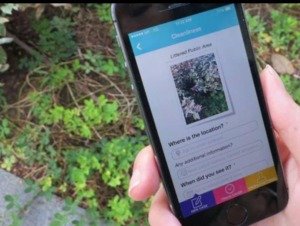 Technology makes environmental protection accessible to everyone. You do not need programming skills to make a difference. Many free digital tools help communities identify problems and encourage action.
 Social media is a powerful tool to spread awareness quickly. However, real impact happens when online discussions lead to action in the physical world.
 Creating positive environmental change takes time. That is why tracking achievements and challenges is essential for long-term success.