I clearly remember the day my internet access went out for three hours. No big deal, right? Just a minor inconvenience. But during those three hours, I couldn’t check my emails, couldn’t look up a recipe for dinner, couldn’t message my family, couldn’t submit my work, couldn’t even figure out when the next bus would arrive.
And then suddenly a thought click my mind that made me uncomfortable: I was completely stuck.
Now just imagine that feeling, but permanent. Imagine not having access to the internet at all. Not just for a few hours but forever. Imagine not being able to apply for jobs online. Imagine your kids not being able to do their homework because everything is digital now. Imagine not knowing what’s happening in the world around you. Imagine you cannot see your parents on the online call.
That’s not just a small inconvenience. That’s a big trouble .
The Internet Is Not a Luxurious thing anymore that can only be accessed by elites.
Let’s be real about something. The internet stopped being a luxury a long time ago.
We can still pretend that it is something optional. Something nice to have but not necessary. But that’s just not true anymore.
Think about your own life. How many things do you do online? Work. Banking. Healthcare appointments. School for your kids. Staying connected with loved ones. Getting news. Finding jobs. Paying bills. Ordering food. Learning new skills. Giving interviews
Now take all of that away. What are you left with?
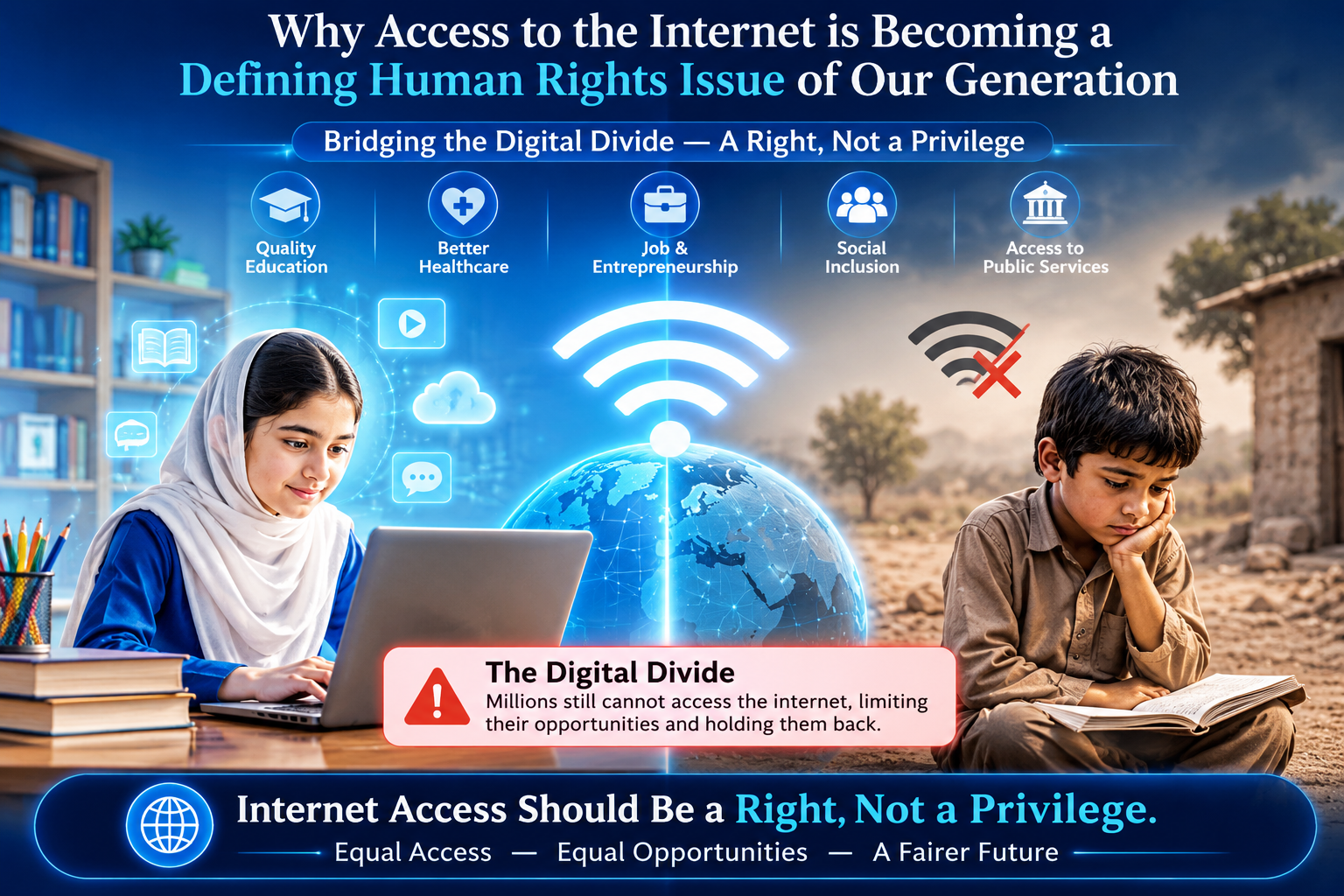
This is the reality of billions of people around the world. According to recent and updated data, nearly three billion people still don’t have regular access to the internet. Three billion literally three billion .A lot Right? That’s almost 40 percent of the world’s population.
And it’s not just about convenience. It’s about opportunity. It’s about survival in a world that cannot be possible without digital literacy and Access.
What It Really Means to Be Offline Today
People who do not have internet access are being left behind in many ways that most of us don’t even think about.
Education Has Gone Digital
When the COVID-19 pandemic hit, millions of children around the world could not attend school because they did not have internet access. While some kids joined Zoom classes or Google meet and submitted assignments online, others simply stopped learning. Some for months. Some forever.
Even now, as things return to normal, education is more digital than ever. Homework is submitted online. Research is done online. Even textbooks are digital. Test are taken online.If you do not have internet access you cannot not keep up. Simple as that.
Jobs Require the Internet access
Walk into any office, any business, any workplace today. Everything is online. Job applications are online. Job interviews are online. Many jobs are entirely online. Even blue-collar jobs often require online training and certification.
If you can’t get online, you can’t apply for most jobs. You can’t build a resume. You can’t network. You’re essentially locked out of the modern economy. Many jobs are on online platform. Freelancing is becoming one of the greatest way to earn and build economy and that is completely online.
Healthcare Is Going Online
This one is horrible. Many healthcare systems now use online portals for appointments, test results, and communication with doctors. In rural areas and under developed communities, telemedicine is the only option. Without internet access, people are missing out on vital healthcare and medicine service.
You Get Left Out of the Conversation
Democracy depends on informed citizens. Social movements depend on connection. Community depends on communication. When you’re not online, you’re not part of the conversation. Your voice doesn’t get heard. Your needs don’t get addressed. You are going to miss gen Z protest happening around the corners of world right now.
The Good and the Not-So-Good
Like other inventions,treating internet access as a human right has its upsides and downsides. Let’s look at both honestly.
The Bright Side
It opens doors for opportunities. When everyone has access, everyone has opportunity. Kids in remote villages can learn from the world’s best teachers. Entrepreneurs can reach global markets. Patients can access specialists. The playing field levels out a little bit. The depressed people can get consultation online.
It gives people a voice. Social media has given power to the people who were prior voiceless. Activists in oppressive regimes. Communities fighting for their rights. Ordinary people with extraordinary stories. Access to the internet means access to the whole world.
It drives progress. The more people get connected, the faster we solve problems. Knowledge multiplies. Innovation accelerates. Ideas spread. This is how we make the world better to live.
It builds empathy. When we see each other’s lives, we understand each other better. We see the struggles of people far away. We see their joys, happiness and their pain. We become more human.
It saves lives. Quick access to information can save lives. During natural disasters, internet access helps people get help, like during flood time . During health emergencies, information spreads fast. During conflicts, people can tell the world what’s happening.
The Challenges We Can’t Ignore
It costs money. The internet doesn’t build itself. Undersea cables, cell towers, satellites, networks—all of this costs a lot amount of money. Someone has to pay for it.
It requires skills. Access to the internet isn’t just about having a connection. It’s about knowing how to use it. Digital literacy is a real challenging problem.Millions of people have internet access but don’t know how to drive it to get what they need from it.
It’s not always safe. The internet can be dangerous. Misinformation spreads fast. Hate speech spreads fast. Scams and fraud are everywhere. Privacy is a constant concern. Children need protection online.
It can widen divides. If access is not equal, it can actually make inequality more worse. People who are already privileged and blessed get even more opportunities. People who are already disadvantaged fall further behind.
It’s vulnerable to control. Governments can shut down the internet anytime and control what they want to feed in our minds. Corporations can control what we see. Without proper safeguards, internet access could become a tool of control rather than liberation and freedom.
What It Looks Like When Internet Is a Human Right
So what would it actually mean to treat internet access as a human right? It’s not just a phrase. It’s a commitment.
It means building infrastructure everywhere. Not just in wealthy cities and countries. But also in remote areas and villages. In rural areas. In underserved communities. It means connecting the places that have been left behind.
It means making internet affordable. For everyone. Not just those who can afford expensive data plans. But also for those who are struggling to put food on the table. Internet access should not be a luxury for the rich and elite class.
It means teaching people how to use it. Providing digital literacy programs. Helping people understand how to find reliable and valid information. How to protect their privacy. How to stay safe and protected online.
It means protecting digital rights. Freedom of expression. Privacy. Access to information. These rights need to be protected online just as they are offline.
It means holding governments accountable. When they shut down the internet, they are not just restricting access. They’re violating human rights. They are cracking down the economy.
It means making content available in local languages. The internet shouldn’t just be in English. It should be accessible to everyone, in the languages they speak and understand.
Why Internet access Matters Right Now
This isn’t a future problem. This is happening right now.
Young generation today can’t imagine a world without the internet. And they shouldn’t have to. But millions of young people around the world still don’t have access. They’re being left behind before their lives have even started.
Businesses are losing opportunities and fall behind because of not having up to date system. Patients are missing out on care. Communities are disconnected from each other. All of this just because of problem of internet Access.
- And we are all losing out on the contributions of people who could change the world but cannot get online.
There’s also something deeper at play. The internet has become a fundamental part of how we understand ourselves and our place in the world. It’s how we learn. How we connect. How we grow. Being denied access to that is being denied something essential to being human in this era.
A Story That Stays With Me
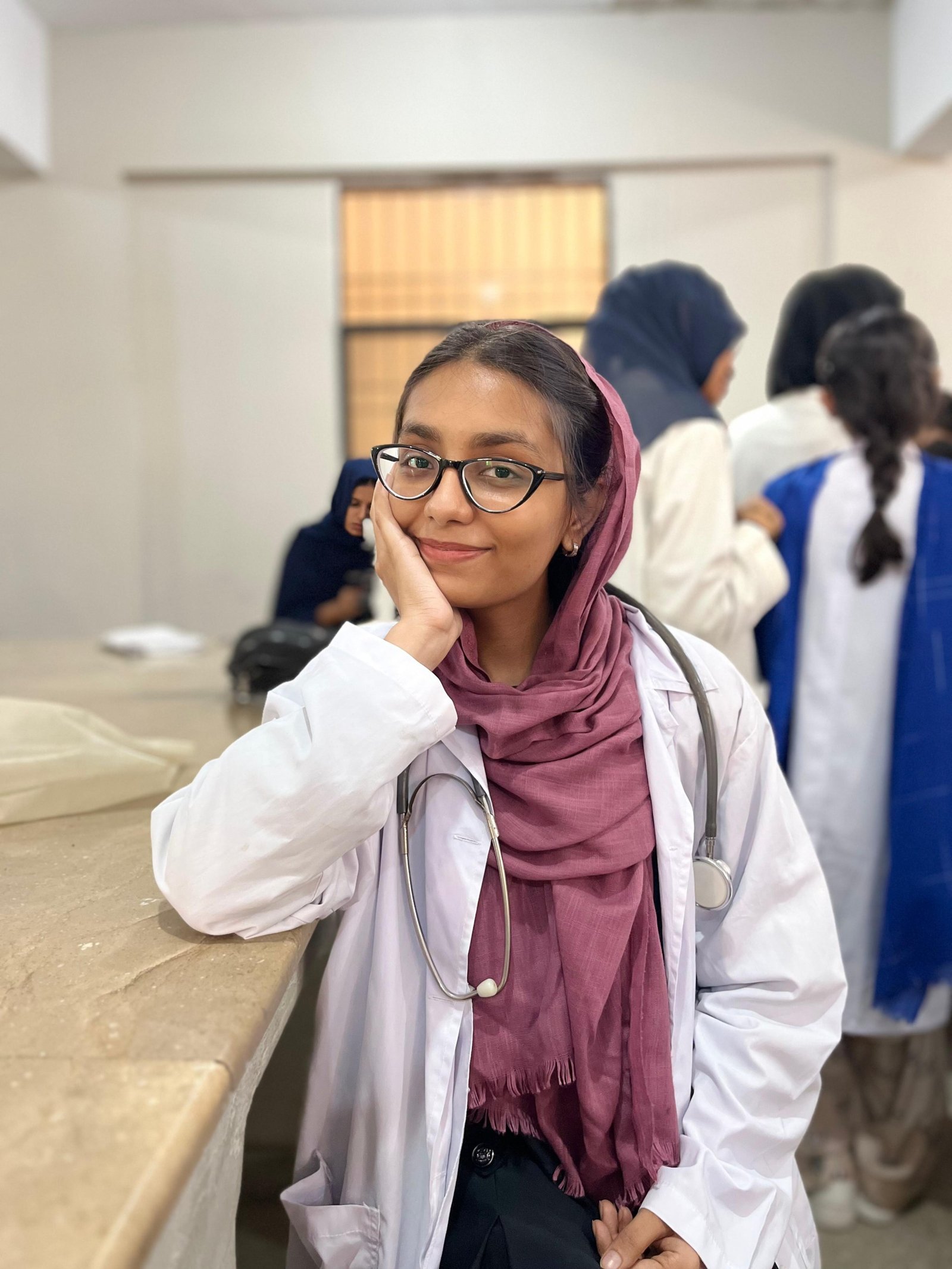
I heard a story once about a young girl in a remote village. She wanted to be a doctor. Her school did not have textbooks. Her teachers did not have resources. But her village got internet access through a new tower.
She started watching medical lectures online through different platforms. She took online courses. She emailed professors with questions. She connected with other students around the world.
She became a doctor.
One internet connection changed everything for her. It didn’t just give her access to information. It gave her access to possibility and she turn that possibility into opportunity for her. To hope. To a future she could never have imagined.
That’s what this is about.
Not everyone will become a doctor. But everyone should have the chance.
A Final Word
The internet is not a luxury. It is not something only the wealthy and elite class deserve. It’s not something that should depend on where you were born or how much money you have.
Access to the internet is access to opportunity. Access to knowledge. Access to connection. Access to the world.
As former UN Secretary-General Ban Ki-moon once said:
“The Internet is one of the most powerful tools of the 21st century for enhancing human development and for promoting social progress.”— Ban Ki-moon
We always have a choice. We can let this divide grow wider, leaving billions of people fall behind. Or we can recognize this for what it is: a defining human rights issue of our generation.
The internet isn’t going away. It’s only going to become more essential. More connected to every part of our lives. We can either make sure everyone has access or we can accept that some people will be left behind forever.
And honestly? I don’t think we can live without internet .